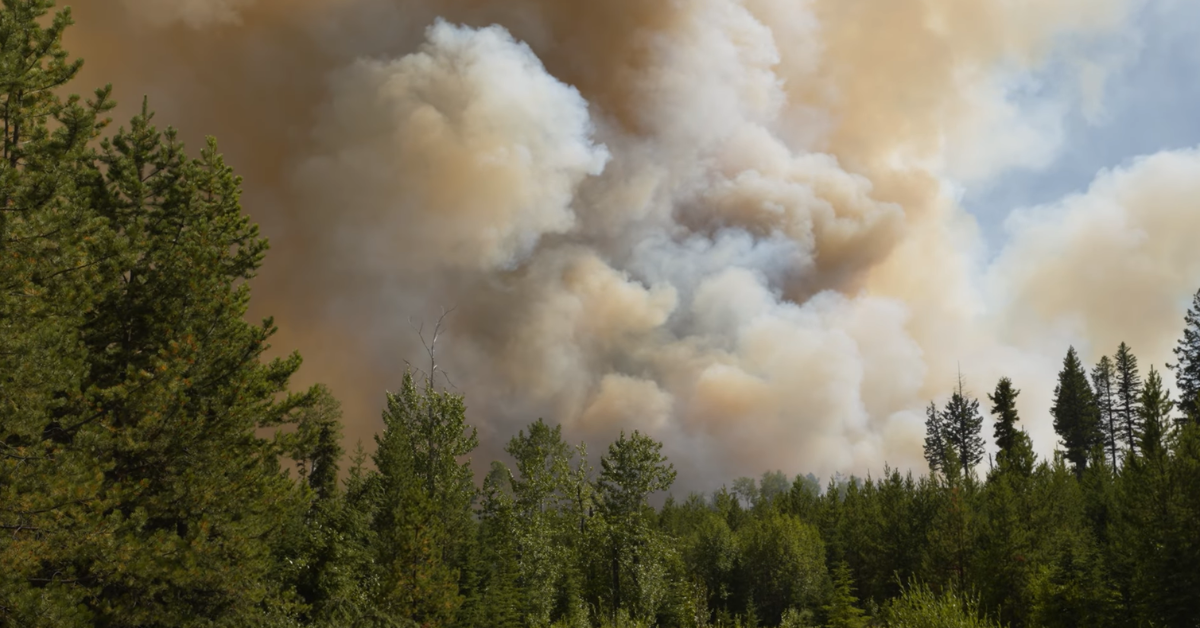
KANSAS CITY, MISSOURI — Kansas City is dealing with a fire-weather setup today as dry air, steady wind, and low humidity push the metro into a higher-risk pattern.
A Red Flag Warning is in effect from noon to 8 p.m. Saturday, March 28, 2026 and forecast guidance says the combination of wind and dry conditions could allow any fire to spread quickly across the area.
The warning comes after a cold start to the morning, but the bigger concern is what happens once temperatures climb and the air dries out.
Kansas City is expected to warm quickly through the late morning and into the afternoon, with conditions turning much more spring-like by midday.
Even so, the change does not bring a break from concern. Instead, it shifts the focus from the morning freeze to the afternoon fire risk.
By the time the red flag period begins, winds are expected to become a bigger factor. Forecast guidance points to gusty south winds and very dry air, the kind of setup that makes grass, brush, and other outdoor fuels easier to ignite.
The forecast discussion calls the setup “elevated to critical fire conditions,” which is the reason the warning remains in place for the metro and nearby areas.
Why the fire danger matters
This is not just a routine windy day. The National Weather Service is warning that the dry air and wind could create fast-moving fire behavior, which is why outdoor burning is being strongly discouraged.
The same forecast guidance also says people should “refrain from burning,” since even a small spark can become a larger problem quickly in conditions like these.
Fox also reported nearly 50 million Americans in 18 states are under Fire Weather Warnings in the Southeast and the Plains.
The concern is especially important because the wind is not paired with enough moisture to slow things down.
Relative humidity is expected to stay very low during the afternoon, and the forecast discussion says the dry airmass already in place will keep fire conditions elevated even after the initial warning period. That means the risk is not tied to one short window. It is part of the pattern Kansas City is sitting in right now.
That pattern is also why the weather service is treating this as more than a simple spring breeze.
The city has already been through a sharp weather swing this month, and that means dry fuels are now sitting under a warmer and windier setup. In late March, that combination matters because it can move the area from cold morning air to a fire concern in just a few hours.
The risk does not end when Saturday afternoon ends. Forecast discussion from the weather service says similar fire conditions are expected on Saturday as well, with winds turning southerly and the dry air holding in place.
That means Kansas City could stay in an elevated fire danger pattern into the start of the weekend, especially if the same warmth and dryness continue.
For residents across the metro. Avoid outdoor burning, be careful with anything that could throw sparks, and pay close attention to local alerts through the day.
Dry grass and brush can ignite fast when winds are strong, and that is exactly why the warning is being taken seriously.
Kansas City has already seen how quickly March can move from one weather problem to another. Today’s setup is a good example of that.
The morning may start cold, but the afternoon brings a much different hazard, and the danger is tied not to rain or storms but to wind, dryness, and fire spread potential. That makes today one of those days where the weather does not just affect comfort. It affects safety.
If the dry pattern holds, the fire risk can remain a talking point into the next couple of days, especially with warm and breezy conditions still possible.
For now, Kansas City is in a high fire danger stretch, and the warning is clear enough: stay alert, avoid burning, and do not underestimate how fast a small spark can turn into a bigger problem