KANSAS CITY, MISSOURI — Kansas City is set to hold the fourth and final Community Summit for this phase of the Reconnecting the East Side project on Tuesday, April 7, giving residents another chance to weigh in on the future of the US 71 corridor from Martin Luther King Jr. Boulevard to 85th Street.
The meeting will run from 5:30 p.m. to 7:30 p.m. at St. James United Methodist Church, 5540 Wayne Avenue.
The project is centered on more than just traffic flow. City officials say the effort is aimed at addressing the long-standing damage caused when the construction of US 71 divided neighborhoods across Kansas City’s East Side.
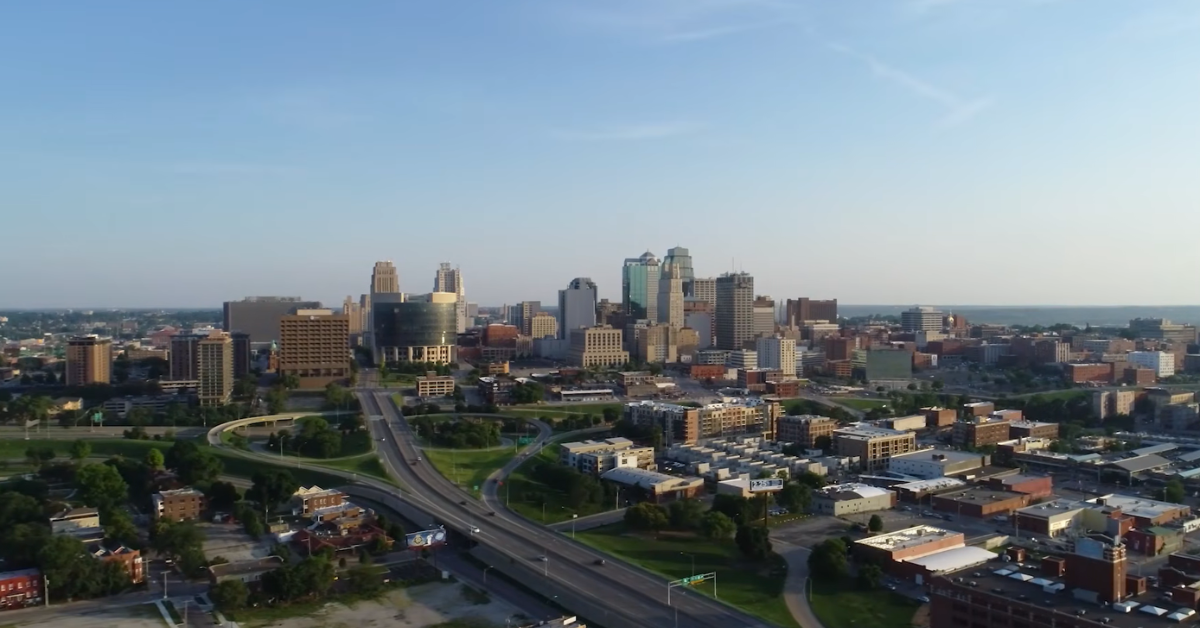
The study area covers the corridor from Martin Luther King Jr. Boulevard on the north to 85th Street on the south, and from Paseo Boulevard on the west to Swope Parkway on the east.
The city, working with MoDOT and the Mid America Regional Council, says the goal is to improve safety while also rebuilding neighborhood connections that were lost over time.
Read More: Motorcyclist Critically Injured in Southbound I‑435 Crash, Kansas City Police InvestigateAt this stage, the city is asking for public feedback on what it calls the reasonable alternatives for the US 71 corridor.
According to the official release, the April 7 summit will give residents a chance to review those alternatives, look at the public input gathered so far, and hear the results of the project team’s evaluation.
The language around the project has been unusually direct. In its announcement, Kansas City said the work is about more than roads and is instead about physically restoring the heart of the East Side by listening to residents, identifying early action projects, and building a long-term vision for the corridor.
That broader framing also shows up in the way city leaders have described the effort. Mayor Quinton Lucas said the project is an attempt to address damage that cannot easily be undone.
“While it is very hard to give people houses back, like those in my family who lost them ages ago. It is hard to rebuild neighborhoods and communities that were strong, vibrant, and have been vital to our community. We see this as an important next step.”
That gives the summit more weight than a standard transportation meeting because the issue is not only about lane design or traffic engineering.
It is also about history, displacement, and what kind of corridor Kansas City wants to build next.
The city’s earlier outreach on the project made clear that the discussion goes beyond pavement and intersections.
Officials have said the study is also looking at land use, green space, housing, economic development, public health, education, and traffic safety as part of the broader East Side conversation.
That matters because the debate around US 71 has never been only about how fast cars move through the area. It has also been about how neighborhoods were split and what it would take to reconnect them in a meaningful way.
This final summit in the current phase gives residents a chance to weigh in before the project moves further ahead. For people who live, work, worship, or travel along the corridor, it is one of the clearest public opportunities to directly respond to the options now being studied.
Kansas City is not just asking whether US 71 should work better for traffic. It is asking what a safer, more accessible, and more connected East Side should actually look like.
Read More: Nitazenes, a More Potent Opioid Than Fentanyl, Detected in Kansas City Area Wastewater