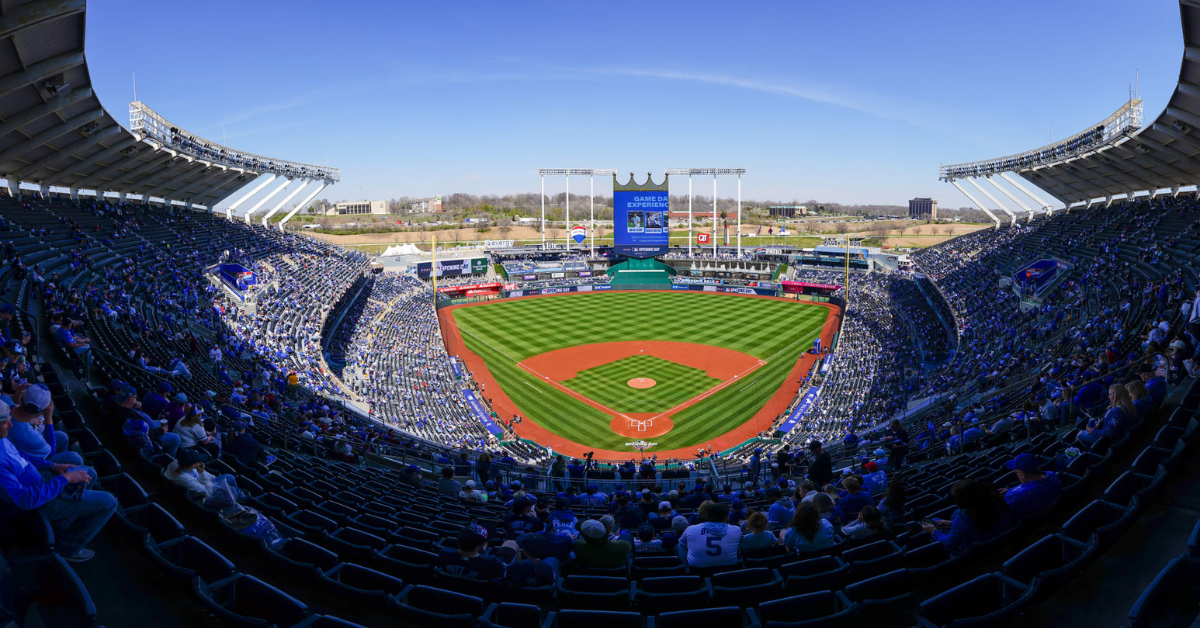
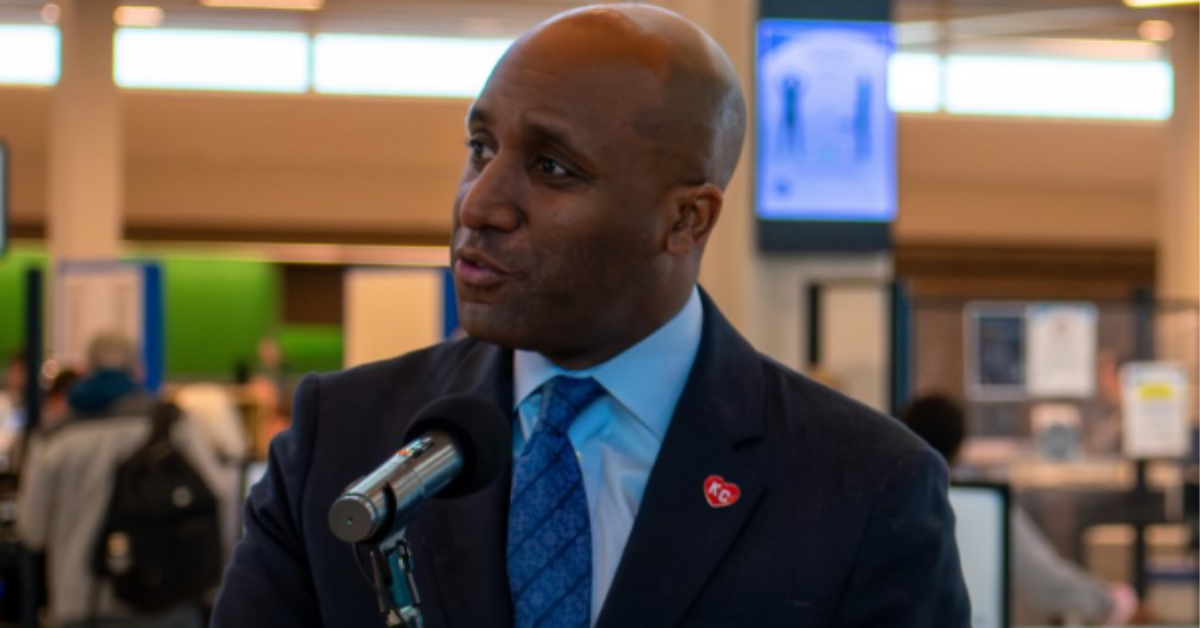
Kansas City has officially opened a new chapter in the Royals stadium debate, with Mayor Quinton Lucas and a group of City Council members introducing legislation that would move a proposed $1.9 billion downtown ballpark to the area around Washington Square Park and Crown Center.
The ordinance, introduced on April 9, 2026, would authorize the city manager to negotiate a binding term sheet, lease, and development agreements for a new stadium, team offices, and supporting infrastructure in the area.
The proposal is being framed as much more than a baseball project. In the city’s announcement, Lucas said the ballpark would become the “largest single economic development project in the history of Downtown Kansas City.”
He added that the current concept would bring an estimated $1.9 billion in investment into Kansas City’s workers, businesses, and downtown core, while drawing tens of thousands of guests to the area for 81 additional nights per year and creating more than 300 days a year of activity tied to tourism, conferences, concerts, and special events.
Under the ordinance, Kansas City would commit up to $600 million through bonding, with the city saying the money would be financed primarily through economic activity generated by the stadium and the surrounding development district.
The city’s public language also stresses that the proposed agreement would rely on “no new taxes” and would confine incentives to the stadium area and nearby development rather than spreading them across the whole city or wider county boundaries.
State backing is also expected to play a major role, with officials pointing to the Show-Me Sports Investment Act, which can cover up to 50 percent of qualifying stadium costs.
Read More: Kansas City’s Big Heart Tournament to Bring Community Soccer to 9th and Van Brunt in MayCity Hall is also trying to sell the plan as something that reaches beyond downtown. The official release says community benefits would run to Kansas City’s parks and recreation system in every corner of the city, with the promise of new playgrounds, ball fields, pools, and recreation improvements tied to the broader package.
That language is clearly meant to answer a question many residents will ask right away: if a downtown ballpark gets built, who outside the stadium district actually benefits?
Still, the project is not a done deal. The ordinance does not finalize the full stadium development. Instead, it starts the negotiation phase and directs the city manager to keep working on financing, cooperative agreements, public engagement, and the legal structure needed for a full lease and development agreement.
The city also set aside $250,000 from the Development Services Fund for legal, financial, engineering, planning, and design support tied to evaluating the proposal. Existing businesses in the area are also supposed to be consulted on parking, access, and operations as the process moves forward.
There is also a political layer hanging over the proposal. Unlike the stadium tax extension that voters rejected in 2024, this version would not require a new citywide public vote under the current financing structure.
That alone is likely to make the plan one of the most closely watched development issues in Kansas City this year. At the same time, the Royals have not officially embraced the proposal yet, even though the site and financing concept appear to have come together with the team in mind.
For now, the Washington Square Park and Crown Center concept is moving from idea to active city business.
What happens next will depend on negotiations, state support, City Council action, and whether the Royals decide this is the downtown future they actually want.
But one thing is already clear that Kansas City has now put a serious, high-dollar stadium proposal on the table, and city leaders are presenting it as a defining bet on the future of downtown.