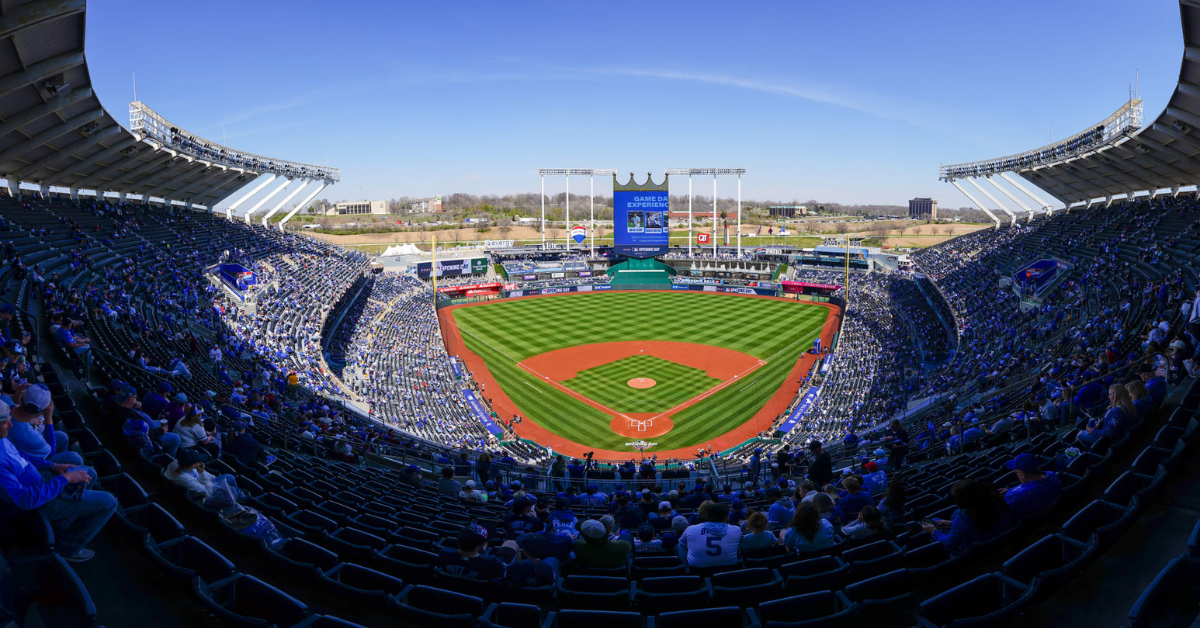
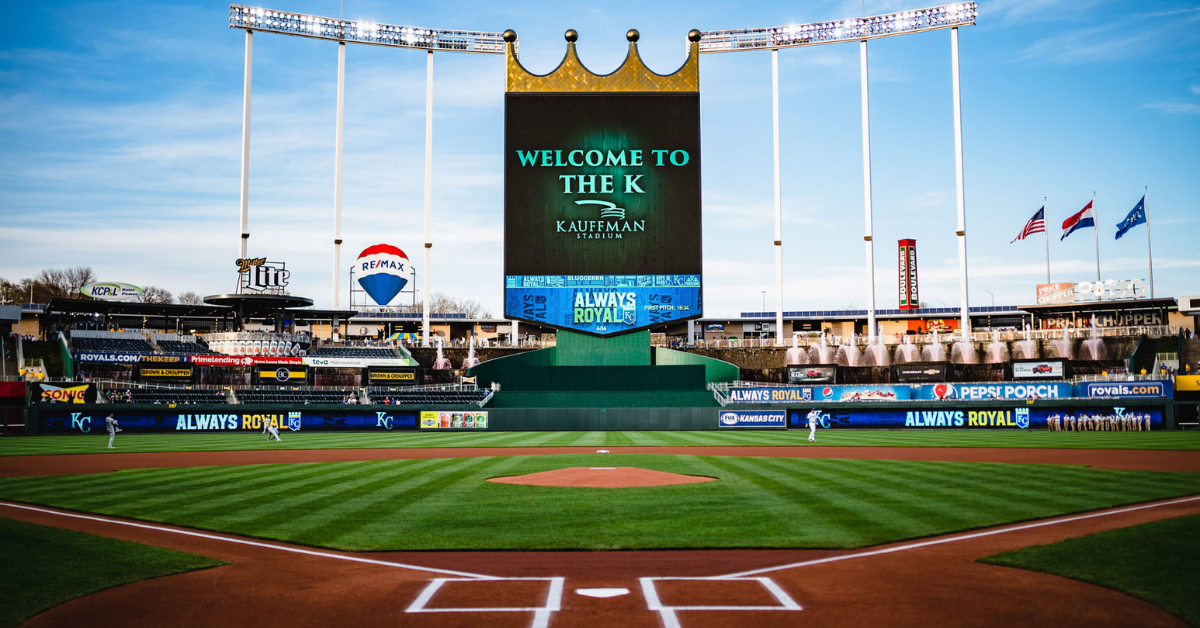
Kansas City’s vote to move the Royals stadium plan forward is already drawing sharp backlash from residents who say City Hall is putting a downtown ballpark ahead of more urgent problems such as affordable housing, crime, transit and basic street repairs.
The City Council approved the ordinance on Thursday by an 11-1-1 vote, authorizing City Manager Mario Vasquez to negotiate the next phase of a proposed stadium deal in and around Washington Square Park and Crown Center.
The broader proposal envisions a $1.9 billion stadium district, with the city contributing up to $600 million and setting aside $250,000 now for predevelopment work.
What has fueled much of the public frustration is not just the dollar figure, but the sense that Kansas City is moving fast on a baseball project while everyday pressures remain unresolved.
Among the reactions online, one resident wrote, “Fix the potholes and crime rates first.” Another questioned what taxpayers would receive in return, asking, “What’s the plan to pay taxpayers back with the ROI?”
That concern goes straight to the heart of the stadium debate, because the city’s plan would rely on borrowing and repayment tied largely to future economic activity in the district.
As reported, if the projected revenue falls short, the city could have to use money that otherwise would go toward city services to cover the debt.

That risk has become one of the biggest pressure points in the conversation. City officials have argued that the structure is different from the stadium tax proposal voters rejected in 2024 because this version would not ask every Jackson County resident to keep paying a countywide sales tax.
Mayor Quinton Lucas has publicly defended the plan on those grounds. But critics are not focused only on what is different from the failed ballot measure.
They are focused on what is still the same, a major public commitment to a sports facility at a time when many residents feel Kansas City is struggling with housing costs, strained transit service and persistent public-safety concerns.
That frustration is showing up in blunt terms. One resident wrote that the ordinance feels especially hard to accept because, in their words, “we have one of the fastest rising rent costs in the US, our bus funding has been decimated.”
Another called it a “$600 million handout to billionaires instead of any materially beneficial services.”
Those comments reflect a wider fear that City Hall is willing to move aggressively for a stadium while residents are still waiting on visible progress in areas that touch daily life more directly.
The financial questions are not going away anytime soon. The city has not yet approved a final funding agreement, lease or tax-increment financing package.
Those pieces still have to come back through additional review, and the ordinance approved this week mainly opens the door for negotiations, state-funding applications and further public engagement.
But even at this stage, the debate has already become less about baseball and more about civic priorities. Supporters see a once-in-a-generation downtown project.
Opponents see public leaders willing to gamble on a stadium while asking residents to be patient on affordability, infrastructure and neighborhood safety.
That tension is likely to define the next phase of the fight. The Royals still have not fully committed to the site, the state of Missouri still has to weigh in on funding, and the city still has to prove the stadium district can generate enough value to justify the public role.
Until then, residents who are already angry are likely to keep asking the same question in different forms: if Kansas City can move this hard for baseball, why can’t it move just as hard on the issues people deal with every day?