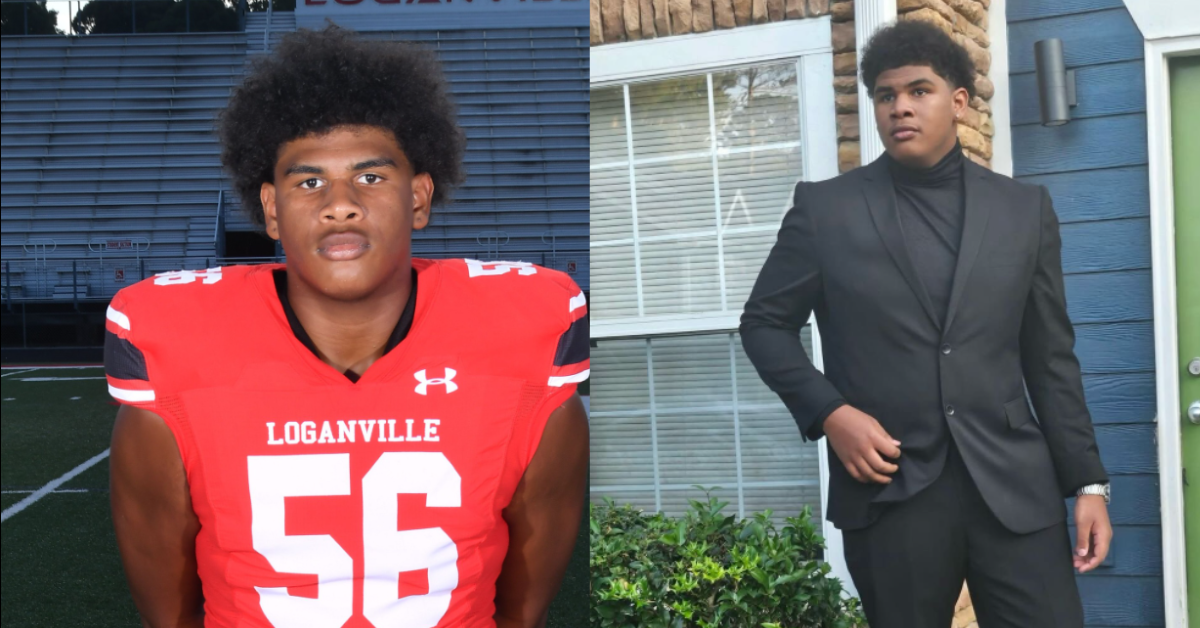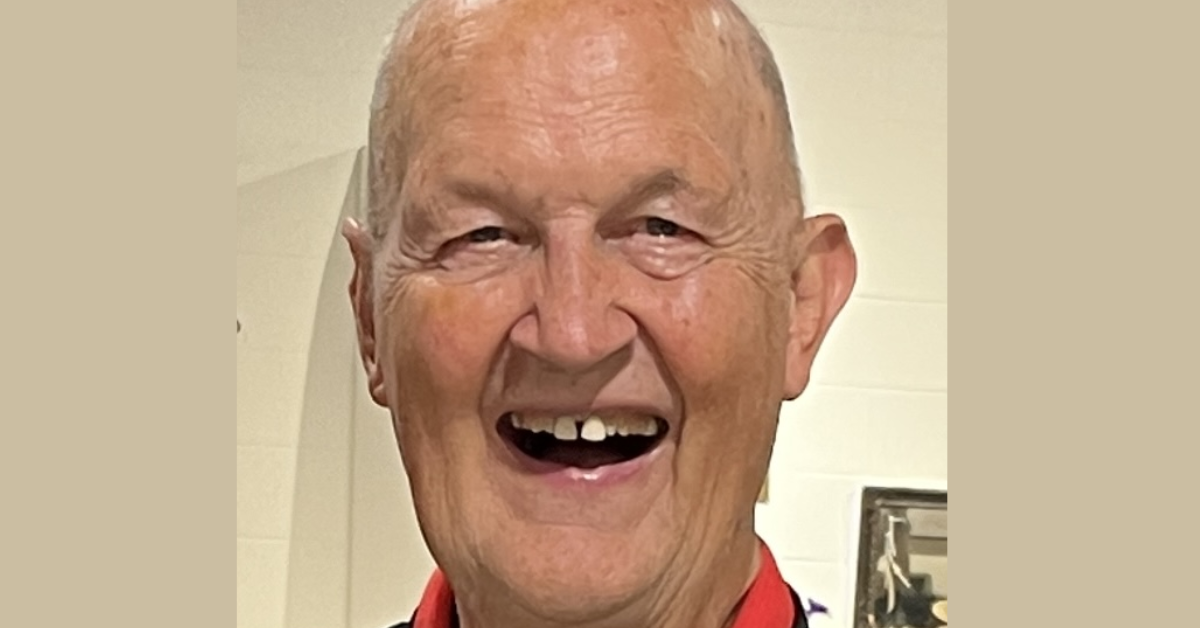
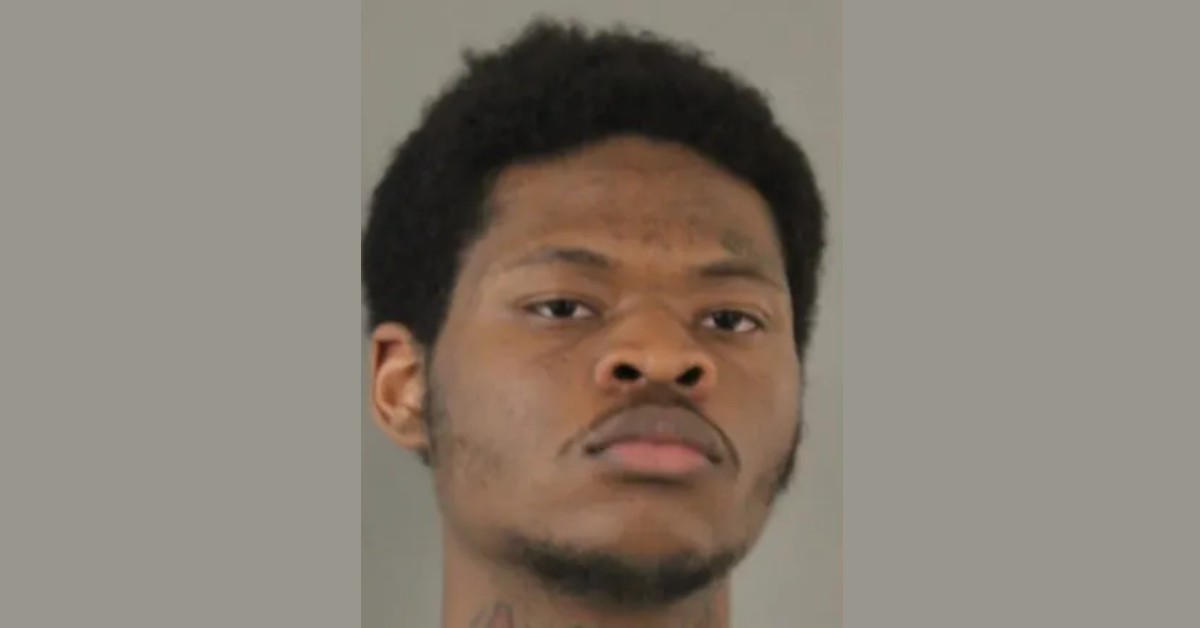
A DeKalb-area football coach is reacting publicly after Elijah Winsley, 20, was charged with first-degree murder in the death of his 74-year-old grandfather, Fred Winsley Jr., inside a home on Chicago’s Far South Side.
Police said the shooting happened on May 22 in the 8100 block of South Laflin Street in Auburn Gresham, where Fred Winsley Jr. was found with two gunshot wounds before later dying at the hospital.
Elijah Winsley was arrested about four hours later, and police said he lived in the same house as the victim.
The arrest quickly became more than just another crime story because of who responded online.
In a post shared by Bigdawg Harris, a coach who said he worked with Winsley during his freshman and sophomore years of high school, the tone was raw and emotional.
Harris wrote that Winsley was “a great kid and a phenomenal athlete” before adding that he had “just threw his life away.”
He also included the line, “You can’t save everyone just gotta keep trying,” a comment that has drawn attention because it reflects the frustration coaches often feel when a young athlete they once mentored ends up in serious trouble.
According to court reporting from CBS Chicago, prosecutors later identified Fred Winsley Jr. as Elijah Winsley’s grandfather and alleged that he was shot while sitting in a chair in the living room.
CBS also reported that prosecutors referenced earlier family concerns about Elijah Winsley’s mental health during the detention hearing. A judge ordered him held pending trial.
That detail changes the weight of the story. This is not just a case about an arrest. It is a case about a family home, a fatal shooting, and a former player whose coach says he had once been seen as a promising young athlete.
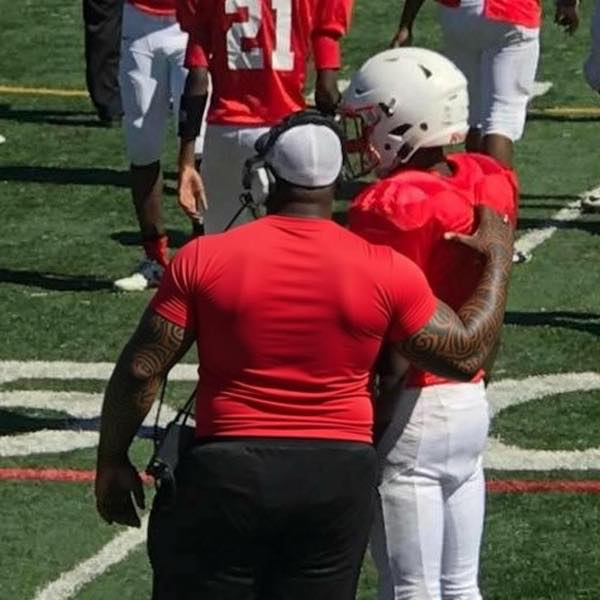
The public record shows a tragic sequence: the shooting, the hospital death, the arrest hours later, and then the emotional reaction from someone who coached Winsley in high school and remembered him as a talented kid with real potential.
The coach’s post has resonated because it reads like something many educators and coaches think but rarely say out loud.
Harris did not try to defend Winsley or explain the case away. Instead, he sounded like a man trying to process how a student athlete he once knew ended up in a murder case.
His words also suggest a broader truth that often comes up in youth sports: coaching can guide, influence and support, but it cannot control every decision a young person makes after they leave the field.
That reaction is an interpretation based on the coach’s own words and the public facts of the case.
The case has also raised questions because of the reported mental health concerns mentioned in court.
CBS said prosecutors referred to family worries before the shooting, but the full picture of what led to the arrest has not been publicly laid out in a final court ruling.
Winsley is facing one count of first-degree murder and was expected in court after the arrest. The case remains under investigation, and the court process will determine what is presented as evidence and what conclusions can be legally supported.