
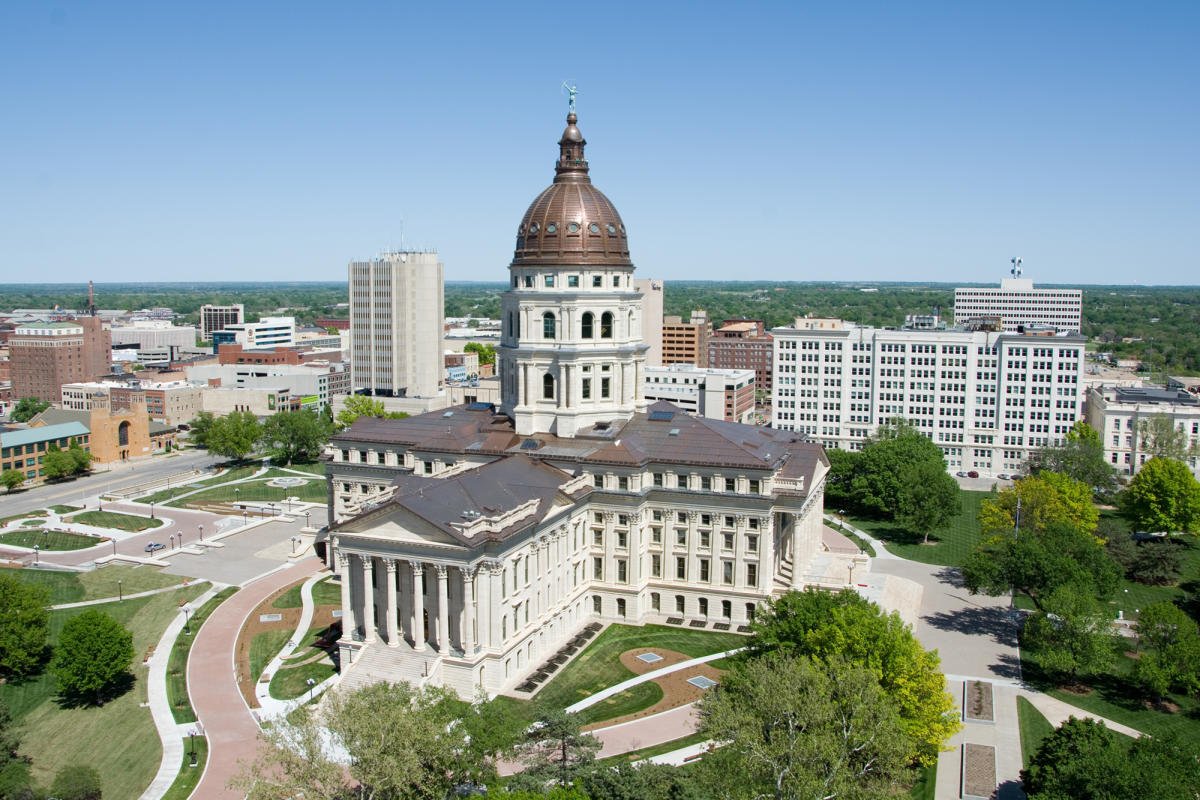
Kansas lawmakers are entering the final stretch of the 2026 session with several major decisions still hanging, and the official calendar shows committees continuing to meet the week of March 23 through March 27, which is a strong sign that the Statehouse is still grinding through unfinished business rather than wrapping up quietly.
The biggest unresolved fights are still centered on stadium funding, property tax relief, and education policy, and none of them appears fully settled yet.
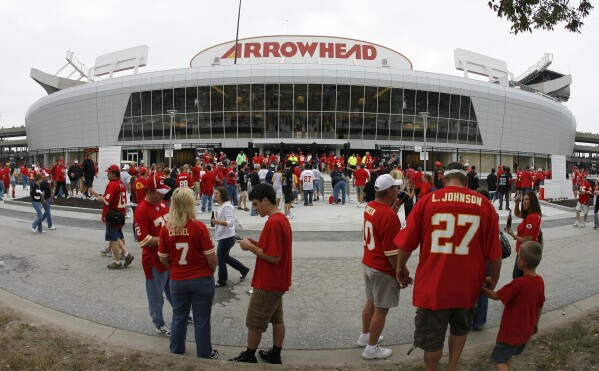
The stadium debate remains one of the most expensive and politically charged issues on the table. According to reports, Kansas has agreed to finance 60 percent of roughly $4 billion in stadium projects, including a 65,000-seat domed Chiefs stadium in Kansas City, Kansas, along with related development near the Legends and in Olathe.
The proposal would rely on sales tax revenue and revenue bonds, and supporters argue that creating a public sports authority would keep more than $1 billion from being taxed as income, which is one reason the deal continues to draw intense scrutiny from lawmakers and local leaders.
That stadium fight is not happening in isolation. It sits inside a wider budget and tax debate that still has not been fully resolved, especially as lawmakers keep working through property tax relief proposals.
According to reports, the House advanced a property tax relief plan on March 19, but its outlook remains uncertain because it still has to survive several more hurdles before it can become law.
That means the issue is not just about whether Kansas wants tax relief, but about what kind of relief it is willing to approve and how much pressure it is willing to place on local governments, homeowners, and the state budget.
Education is still part of the unfinished work
Education is also playing a major role in the final stretch, even if it is not always the loudest issue in the room. The Kansas Department of Education reported that the state budget provides $600 million for special education, but Democrats said that figure is lower than last year’s funding, and their attempts to raise it were voted down.
At the same time, other education-related bills have kept moving, which shows that lawmakers are still actively shaping school policy even as the session heads toward its end.
One of the clearest examples is the recent deal to end in-state tuition for certain undocumented students at Kansas public colleges and universities.
According to reports, the House and Senate struck a compromise on the measure this week, which means lawmakers are still making major education decisions even while other parts of the agenda remain unresolved.
That bill has been one of the more divisive education items this session, and its movement shows how quickly a policy can shift from debate to agreement when the political timing lines up.
The legislature has also been active on other education rules this year, including a broad cellphone ban during the school day that was signed into law on March 20.
The measure requires Kansas schools to restrict personal electronic devices from the first bell to the last, including lunch and recess, and officials have already started talking about how districts will have to put enforcement policies in place.
That does not mean the education agenda is finished, but it does show lawmakers are still passing bills that affect schools in practical ways while bigger budget questions remain unresolved.
What stands out about all of this is how much of the session is still being driven by a handful of large, high-pressure issues rather than a long list of small technical fixes.
The stadium plan alone involves public money, future tax revenue, and the possibility of a major franchise moving across state lines, while the tax debate affects homeowners and local budgets, and the education fight reaches from school funding to college tuition and classroom rules.
Each issue has its own coalition of supporters and critics, which makes the final weeks of the session feel less like a tidy wrap-up and more like a series of hard negotiations that still have to land in the right place.
That is why the closing days matter so much. Kansas lawmakers are not just trying to finish bills for the sake of finishing them.
They are trying to settle questions that will shape the state’s finances, public schools, and stadium plans well beyond this year’s session.
The official calendar shows that work is still active, and the news from the last several days suggests that some of the most important items are only now reaching the point where final decisions have to be made.
What happens next will likely determine how this session is remembered. If lawmakers can resolve the stadium financing details, push a tax package across the finish line, and close out the education bills that are still moving, they will leave Topeka with a long list of major actions completed.
If they cannot, the session may end with the same feeling that has followed parts of this debate all year, which is that the biggest issues were discussed loudly but only partly settled.