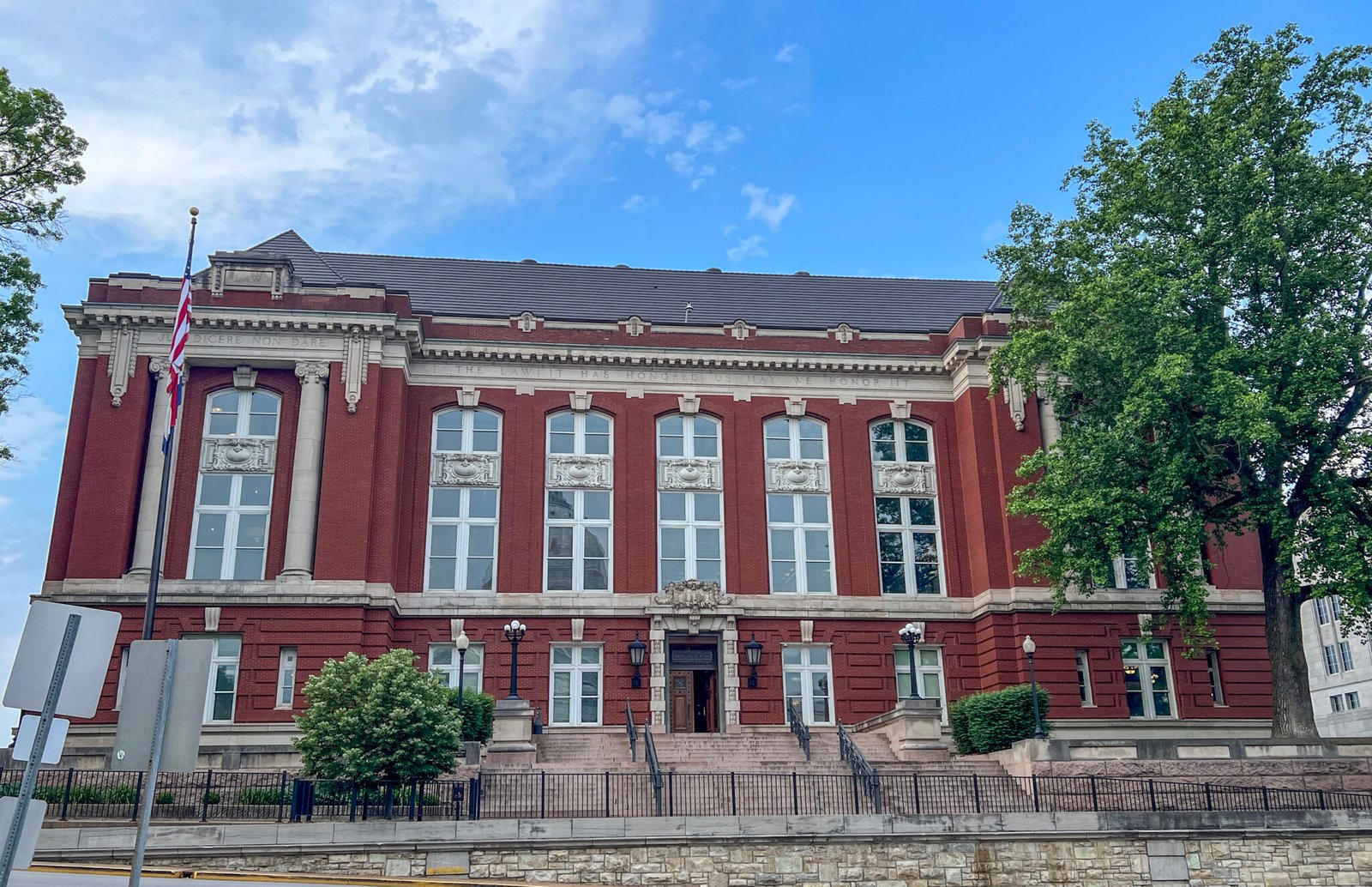
The Missouri Supreme Court has upheld a mid-decade congressional redistricting plan in a 4-3 ruling, handing Republicans a major win and putting Kansas City’s congressional map on track for a serious shake-up.
The decision clears the way for a plan that could help the GOP win another U.S. House seat by redrawing boundaries in a way that targets the district held by Rep. Emanuel Cleaver and splits Kansas City into three separate districts.
The ruling matters because the map was not drawn as a routine technical update. It was pushed through by the Republican-led Legislature in September 2025 at the urging of Donald Trump, and it was designed to improve Republican chances in the next congressional race.
The court rejected arguments that Missouri’s constitution limits redistricting to once every decade after the census, saying the language does not clearly ban more frequent redraws.
Kansas City is the part of the state feeling the most immediate pressure from that decision. Under the new map, the city’s urban core is divided and linked with areas far outside the metro, including rural communities hundreds of miles away.
Critics say that weakens the city’s political voice, while supporters say the map is legally valid and more compact than the current one. The practical effect is that Kansas City voters may soon find themselves in districts that look and feel very different from what they have known for years.
The fight is not over in a political sense, even if the court has ruled. More than 300,000 petition signatures have already been gathered in an effort to force a public vote on the map in November, and that means the issue could still end up in front of voters.
One legal challenge is also still moving through the system over whether the signatures should automatically put the map on hold while the referendum effort plays out. That keeps the redistricting fight alive even after Tuesday’s ruling.
What the ruling means for Kansas City
The new map has been described as one that breaks up Kansas City’s political center and pushes pieces of the metro into districts built around very different communities.
Kansas City is not just losing a line on a map. It is being carved into a shape that could make it harder for city voters to speak with one political voice in Washington.
The district held by Emanuel Cleaver is the obvious target, and that makes the ruling a direct local story, not just a state government story.
The legal language behind the decision also matters. The court’s majority concluded that Missouri’s constitution does not explicitly stop lawmakers from redrawing congressional districts more than once per decade. That interpretation gives the Legislature room to act mid-cycle, which is exactly what happened here. The dissenting justices saw the issue differently, but the majority ruling now gives the map legal standing for the time being.
That is why the statement from one of the legal challengers landed so hard. “We lost a battle today, but the war to stop this unfair redistricting goes on,” attorney Chuck Hatfield said after the ruling.
The line sums up where things stand now. The court decision is a major setback for opponents, but it does not end the broader fight over whether the new lines should actually take effect.
There is still more movement around the case beyond the court ruling itself. A Missouri judge recently struck down the wording of the ballot summary for the proposed referendum after finding part of it too biased, which means even the wording voters would see on a future ballot has already become part of the legal fight.
That adds another layer to the story because the controversy is no longer only about the map. It is now also about how the map is described and whether voters get a clean chance to weigh in.
The same Supreme Court session also upheld Missouri’s voter photo ID requirement, while striking down parts of a 2022 voting law on free speech grounds.
The broader ruling makes Tuesday a significant day in Missouri election law, but the redistricting decision is the one that will matter most to Kansas City in the immediate future.
It affects congressional politics, local representation, and the shape of the next election cycle all at once.
Kansas City voters now have to wait for the next phase of the fight, whether that comes through the petition drive, another legal challenge, or the next election cycle itself.
The map is not just a technical issue anymore. It has become a direct question about who gets represented together, who gets split apart, and how much political power the city keeps inside its own boundaries.
That is why this ruling is so important; It does not just redraw districts. It redraws the balance of influence around Kansas City itself.