
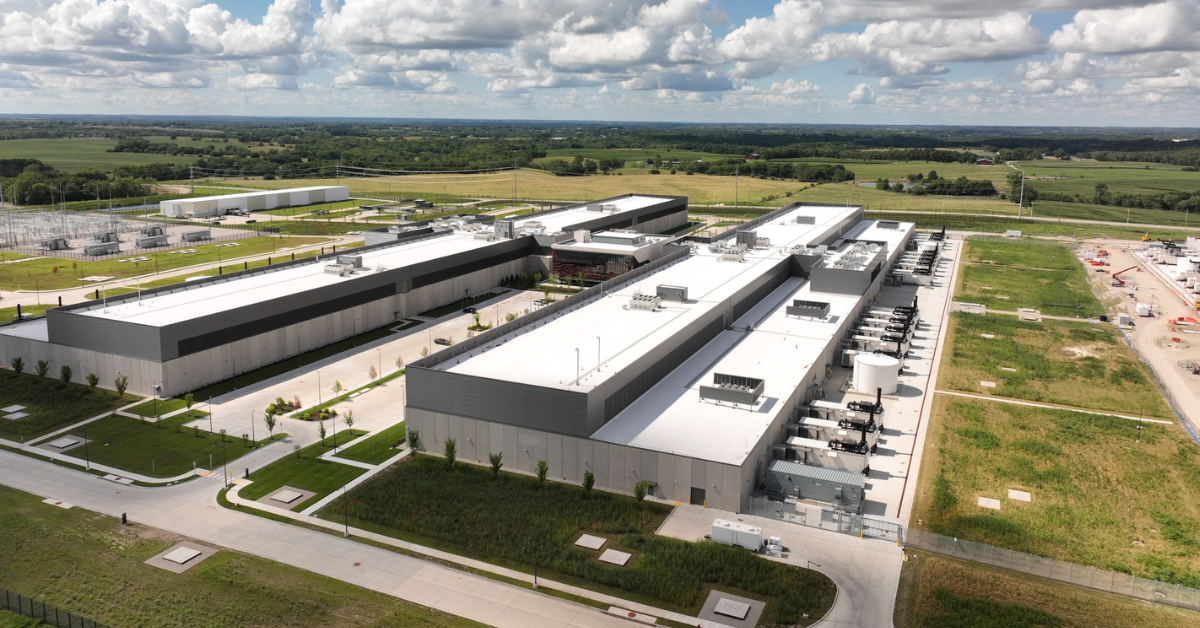
Kansas City is in the middle of a fast-growing data center wave, and the scale is getting hard to ignore. At least 10 hyperscale data center proposals have surfaced across the metro, with projects in places like Kansas City, Liberty, Smithville, De Soto, Osawatomie, Kansas City, Kansas, and Tonganoxie.
These facilities are described as mega data centers because of their size and energy use, with some expected to consume more than 75 megawatts of electricity a day or spread across dozens of acres.
That growth is being driven by the same forces pushing data demand everywhere else: artificial intelligence, cloud computing, and the need for large-scale digital storage.
In the Kansas City region, developers are also attracted by undeveloped land, cheaper utility rates, and a central location that makes the metro appealing for low-latency connections.
One local development official compared the trend to a cluster effect, saying, “A lot of times data centers are like car lots,” where one project leads to another nearby because they can use the same infrastructure.
Why Kansas City Is Drawing the Projects
The economic case for the projects is straightforward on paper. Liberty is now home to a $1.4 billion Metrobloks campus planned as a three-building, 568,800-square-foot site, and the company says the region offers the right combination of infrastructure, talent, and community support.
A state economic development release said the company expects the project to help position the area as a rising digital economy hub, while the Missouri governor said the investment brings 30 high-quality jobs and strengthens the state’s next-generation infrastructure.
That is part of why data centers have become such a big local story. They bring large capital investments, construction activity, and a signal that companies see the Kansas City region as a serious place to build.
The projects also connect to broader state incentives, including a data center sales tax exemption program in Missouri, which helps explain why the sector is moving so quickly.
Kansas City already has one example of how the industry can reshape existing property. The old Kansas City Star printing press in the Crossroads has been turned into a $1 billion data center retrofit, and the project recently received a $100 million clean energy loan, one of the first of its kind in the country for a data center.
The company says the project uses an existing building to make the development faster and more environmentally friendly, and one executive said,
“It was important as part of this project that we pay our fair share and come in and not be a tax to the community.”
There is also a practical side to the pitch. Supporters argue that projects like the Crossroads retrofit can be made more efficient when financing is tied to energy upgrades.
One Missouri energy official said,
“My hope is that PACE loans can put that on their balance sheet, in their business plan, that they want to be more energy efficient.”
That is the optimistic version of the boom: large investment, better infrastructure, and a push toward cleaner operations.
Read More: Kansas City No Kings Protest Draws Strong Turnout as Metro Joins Nationwide Demonstrations at Mill Creek Park and other locationsThe Tradeoffs Behind the Boom
The concern is that the upside may not last in the same way the costs do. Data centers create a lot of construction work while they are being built, but once they open, they usually need far fewer permanent workers than the size of the projects might suggest.
That is one reason residents and experts keep asking whether the long-term benefit is strong enough to justify the scale of the investment.
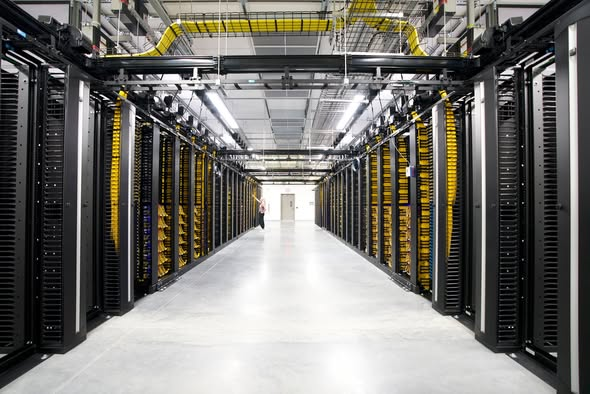
Energy is the biggest issue. One expert said,
“The more that you consume at a data center, the more you’re going to generate electricity elsewhere.”
The expert added that the electricity often comes from natural gas plants and coal plants. Another said that if too many data centers concentrate in one part of the metro, they can create consequences both locally and across a much wider area.
The same coverage noted that the facilities are expected to use millions of gallons of water and large amounts of electricity every day.
That matters in a metro where utilities, roads, and other infrastructure already carry real demand. Evergy has said it is making large-load customers pay for capacity upgrades up front, and one utility executive argued that the arrangement should protect existing customers from a spike in their bills.
Even so, the same expert warned that electricity generation carries environmental costs, public health costs, and more local air pollution and greenhouse gas emissions as power demand rises.
The public pushback is already visible in Independence, where a 400-acre hyperscale campus has drawn residents who say they were not given enough transparency.
One homeowner said, “I’m ever going to be able to sell my home?” before pointing to environmental and health worries near the site.
That reaction shows the other side of the boom: where the city sees investment, some neighbors see uncertainty, heavier industrial use, and a future that may be harder to predict.
The Kansas City metro is now caught between those two realities. On one side is the promise of a stronger digital economy, more construction, and major outside investment.
On the other is a basic question about what the region gives up in exchange for that growth, power, water, land use, and the possibility that the long-term job impact will be much smaller than the capital numbers suggest. That tension is what makes the data center story so important right now.
If the current wave keeps moving forward, Kansas City could become a major Midwestern hub for digital infrastructure.
The question is whether that becomes a lasting economic advantage or a long-term infrastructure burden. For now, the region is in the middle of both at once.
Read More: Missouri Supreme Court Backs Redistricting Plan as Kansas City District Faces Major Changes