
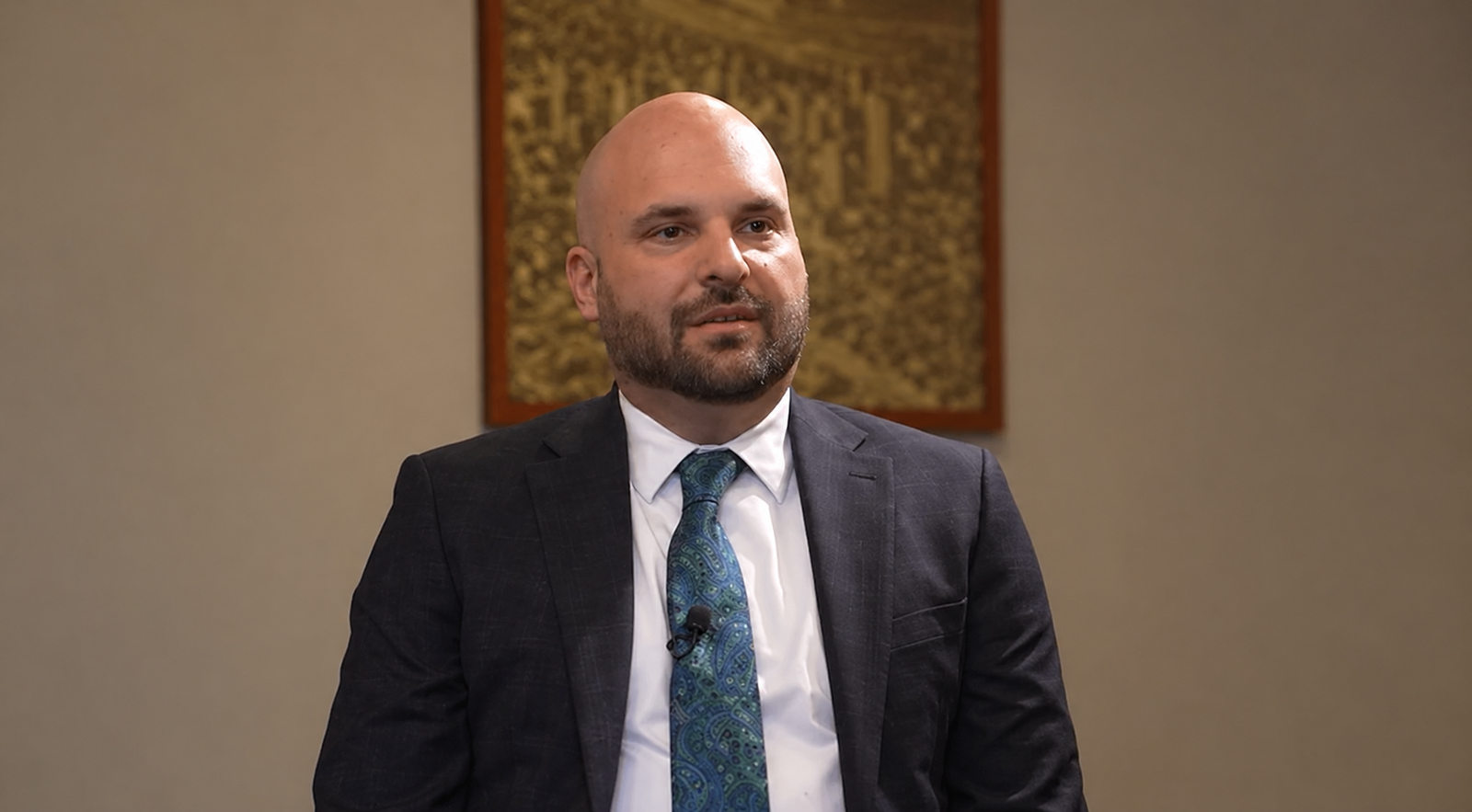
KANSAS CITY, MISSOURI — Kansas City has appointed Brenton Siverly as Director of Finance, putting him in charge of the city’s financial operations at a time when budget discipline, revenue planning and long term fiscal stability are central issues at City Hall.
Siverly moves into the top finance role after joining Kansas City in 2025 and helping lead work on the Fiscal Year 2027 budget.
That budget process reduced the city’s projected operating deficit through tighter financial management and careful spending decisions, making his promotion closely tied to the city’s current push for stronger fiscal control.
The position gives Siverly oversight of Kansas City’s budget, revenue, treasury and financial management functions.
Those areas shape how the city funds basic services, tracks tax collections, plans future spending and manages the financial side of major public priorities.
For residents, the appointment may not be as visible as a road project, public safety plan or neighborhood investment.
But the Finance Director role sits behind nearly every major city decision. The department helps determine whether Kansas City can maintain services, absorb rising costs, prepare for future obligations and keep spending aligned with available revenue.
Siverly’s rise inside City Hall has been quick, but not sudden. He arrived in June 2025 as Deputy Director of Finance, where he led the Budget and Revenue divisions and worked on long term financial strategy, tax administration and revenue forecasting.
That role placed him directly inside the city’s budget structure before he was elevated to the department’s top job.
Read More: Kansas City Adds Portable EV Charging Station With $150K Grant for Cleaner City OperationsA finance director with public budget experience
Siverly brings a background that includes local, state and institutional finance work. Before coming to Kansas City, he served as Director of Finance for the Schools of Nursing and Health Professions at the University of Kansas Medical Center.
He also worked as Assistant Budget Director for the State of Missouri, where he helped oversee a $35 billion budget, and as Deputy Budget Director for the City of Chicago.
That experience gives Kansas City a finance chief who has worked with large public budgets before.
The city’s own financial challenges are different from a state budget or a university medical center, but the core task is similar.
Spending must match priorities, departments need reliable funding and long term decisions have to be made with enough discipline to avoid deeper pressure later.
When Siverly became Deputy Director of Finance, Kansas City also adjusted the department’s structure so the Budget and Revenue divisions reported directly to that role.
The move was designed to bring budget planning, revenue forecasting and tax administration into closer coordination. His appointment as Finance Director now builds on that same structure.
Siverly also holds both a Bachelor of Science and an MBA from Missouri State University, adding formal business training to a career already built around public finance and budget management.
The timing matters. Kansas City is heading into future budget cycles with the same pressures facing many large cities.
Basic services remain expensive, infrastructure needs are ongoing, public safety costs remain significant and residents expect visible results from city spending.
The Finance Department has to help balance those demands without allowing short term choices to weaken the city’s long term position.
Siverly’s work on the FY2027 budget gives him a clear starting point. The city’s projected operating deficit was reduced during that process, and his new role now puts him in position to carry that same approach across the full finance operation.
City leadership has framed the appointment around stewardship, accountability and service delivery.
For Kansas City, that means more than keeping books in order. It means making sure departments have usable financial guidance, revenue forecasts are realistic and budget choices are tied to what the city can actually sustain.
The appointment also puts Siverly in a role that will be closely watched whenever tax revenue, spending priorities or service levels become public debates.
Kansas City’s finance office touches the city budget, treasury functions and revenue systems, so the department’s work can affect everything from neighborhood services to capital planning.
Siverly steps into the job with experience in the exact areas Kansas City is emphasizing now. Budget planning, revenue forecasting, tax administration and financial strategy were already part of his deputy director portfolio.
As Finance Director, the scale of responsibility grows, but the core work remains connected to what he has been doing since arriving at City Hall.
Kansas City’s latest finance appointment is not just an internal personnel move.
It places a budget and revenue specialist at the top of the department during a period when the city is trying to keep its finances steady, reduce pressure on future budgets and keep core services moving without losing sight of long term stability.
Siverly’s immediate challenge is straightforward but difficult. Kansas City needs responsible budgeting, transparent financial management and enough flexibility to support public priorities as costs change.
His appointment signals that City Hall wants its next phase of financial leadership focused on discipline, coordination and careful planning.
Read More: Kansas City map fight returns to spotlight as Quinton Lucas links Virginia vote to city’s split congressional districts