Kansas City has approved new limits on the sale of certain single-serve alcohol products in five corridors the city says have faced repeated public-safety and neighborhood-stability concerns.
The measure, Ordinance 260250, creates new Retail Alcohol Impact Areas in the Blue Ridge Corridor, Central Business District Corridor, Independence Avenue Corridor, Midtown Corridor, and Prospect Avenue–Southeast Corridor.
City officials said the ordinance is meant to address recurring problems tied to particular retail alcohol sales patterns, including public disorder, nuisance activity, chronic inebriation, and repeated calls for service.
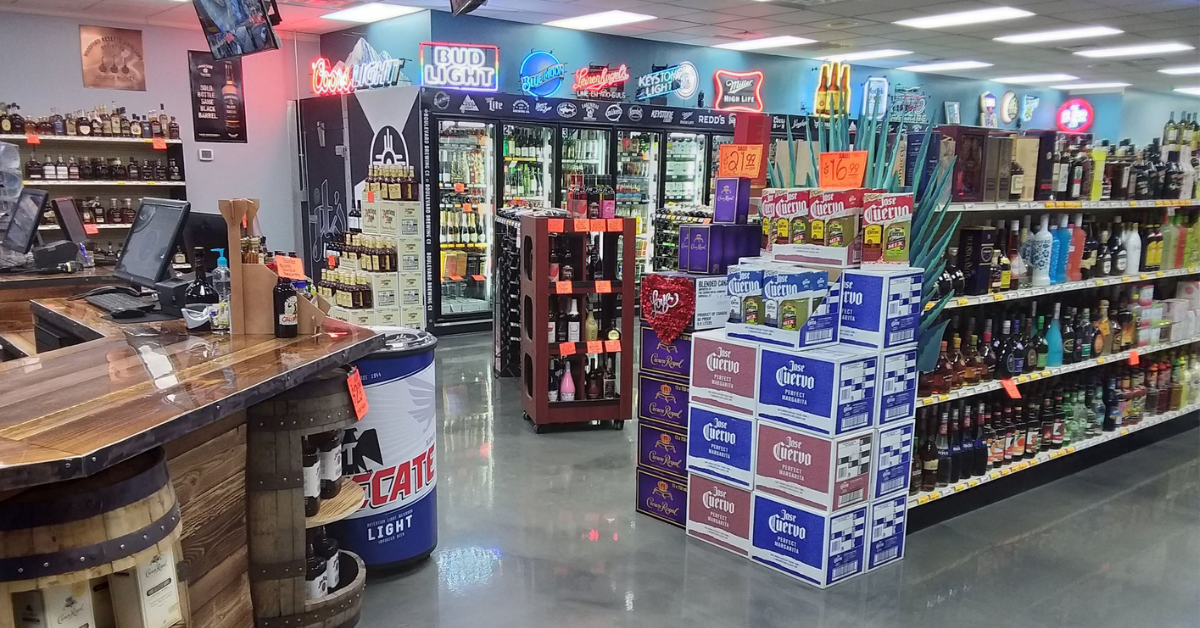
The new rules do not ban alcohol sales altogether. Instead, they target a narrower category of products sold by businesses operating under retail package licenses in the designated areas.
Once the ordinance takes effect, those businesses, excluding grocery stores, will no longer be allowed to sell distilled spirits in individual containers of 200 milliliters or less with an alcohol content of 35% or more, along with certain single-serve malt beverages.
Restaurants, taverns, and other on-premises establishments are not covered by the restrictions. The ordinance is set to take effect 60 days after it becomes law.
Read More: Kansas City Health Department Offering Free Infant Safe Sleep Classes
City Hall is framing the move as a targeted response, not a blanket citywide prohibition.
Assistant City Manager for Public Safety Lace Cline said the ordinance is designed to disrupt “well-known retail practices that too often fuel harm in our neighborhoods” and described it as one part of a broader strategy to create safer, healthier, and more stable communities across Kansas City.
Joe Williamson, who leads the city’s Multidisciplinary Public Safety Task Force, said staff working daily in high-risk areas have repeatedly seen how certain retail practices contribute to calls for service, resident complaints, and neighborhood instability.

The vote, however, was not without controversy. The ordinance passed the City Council by a 7-6 margin, showing just how divided local leaders were over the proposal.
Some council members argued the restrictions were too selective, raising concerns about carve-outs and whether the policy unfairly singled out certain businesses or parts of town.
Others warned that restricting small bottles and certain single-serve products could simply push buyers toward larger containers instead of fixing the deeper problems city leaders say they are trying to solve.
Supporters countered that the affected corridors have dealt with the same complaints for years and that residents have been asking for action for a long time.
The city’s official release says the impact areas were identified through community feedback, crime data, and the work of the Multidisciplinary Public Safety Task Force, rather than through a one-size-fits-all approach.
The ordinance also builds in a continuing review process, allowing city officials to recommend changes to existing impact areas, create new ones, or eliminate them based on public-safety, public-health, and neighborhood conditions.
In addition, the Director of Neighborhood Services must review each established area every three years and report findings back to the city manager and City Council.
The debate has already started to stretch beyond Kansas City itself. A state-level effort is now taking shape in Jefferson City that could potentially interfere with local rules governing alcohol container sizes.
That means the ordinance may not be the final word, even though the city has now approved it. Still, for the moment, Kansas City has moved ahead with a policy change city leaders say is aimed at improving quality of life in corridors where the same concerns have surfaced again and again.
Read More: “The Old Rules Drove Up Construction Costs”: Kansas City Ends 75-Year-Old Parking Mandates Across Much of the City