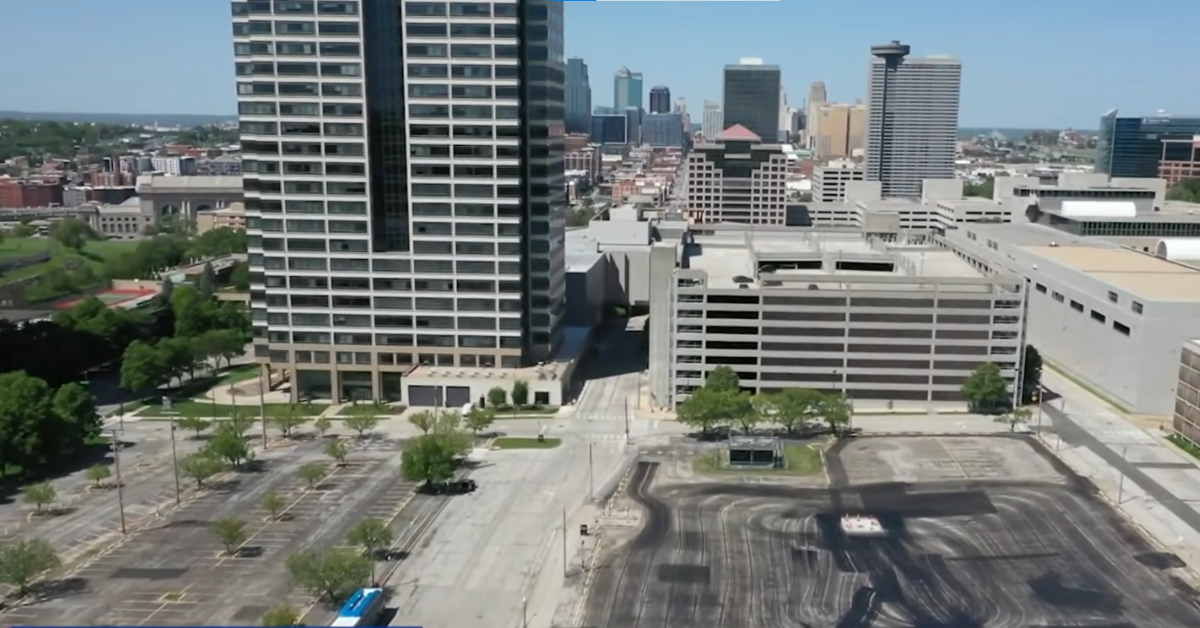
Kansas City has approved one of its biggest zoning changes in years, scrapping long-standing minimum parking requirements across the urban core and scaling them back in the rest of the city.
The change came through Ordinance 260219, which the City Council passed on April 9, 2026, rewriting the city’s parking code to support more walkable development and reduce mandatory on-site parking.
At the center of the change is a rule that had shaped new construction in Kansas City for generations.
The ordinance text says parking standards applied to all new buildings and new uses established after September 10, 1951. City leaders argued those old requirements no longer matched the kind of neighborhoods many residents say they want today. I
n public messaging after the vote, Mayor Quinton Lucas said the old rules “drove up construction costs, kept storefronts empty, and made it harder to build affordable housing,” calling the change part of a push toward “a more walkable, more affordable Kansas City.”
The new policy removes blanket parking minimums in a large section of Kansas City known as the Urban Core, which stretches roughly from the Missouri River to 85th Street and from State Line Road to the Blue River.
Outside that area, the ordinance does not wipe parking requirements away entirely, but it does reduce them and gives builders more flexibility than before.
Read More: Captain Erica Oldham and Sgt. Nathan Kinate Receive National Honor for Bringing “Seek Then Speak” to Kansas City and Helping Assault VictimsThe rewritten code also sets citywide parking maximums, lowers minimums for uses such as bars and restaurants, and expands tools like on-street parking credits and off-site parking flexibility.
Supporters of the change say the old code made it too hard to reuse historic buildings, fill vacant storefronts, or build housing on smaller urban lots.
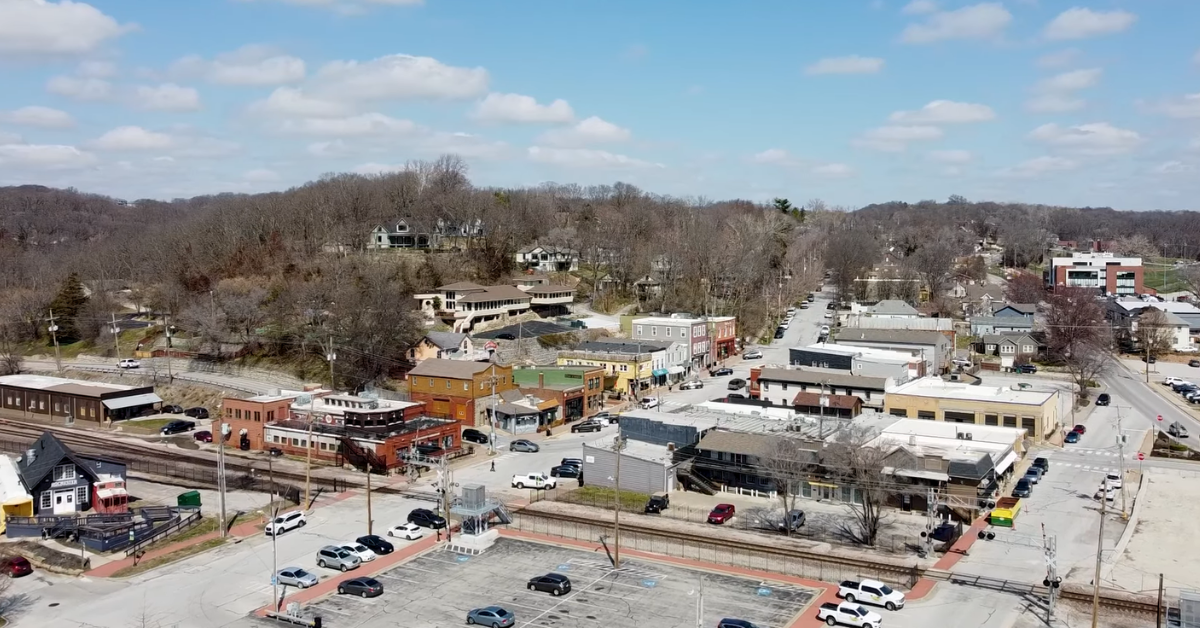
In many older Kansas City neighborhoods, the buildings people now see as charming and walkable were constructed before modern parking mandates took hold.
Under the old code, projects like those could be much harder to build today because developers were often required to carve out parking even when the land, budget, or building layout made that difficult.
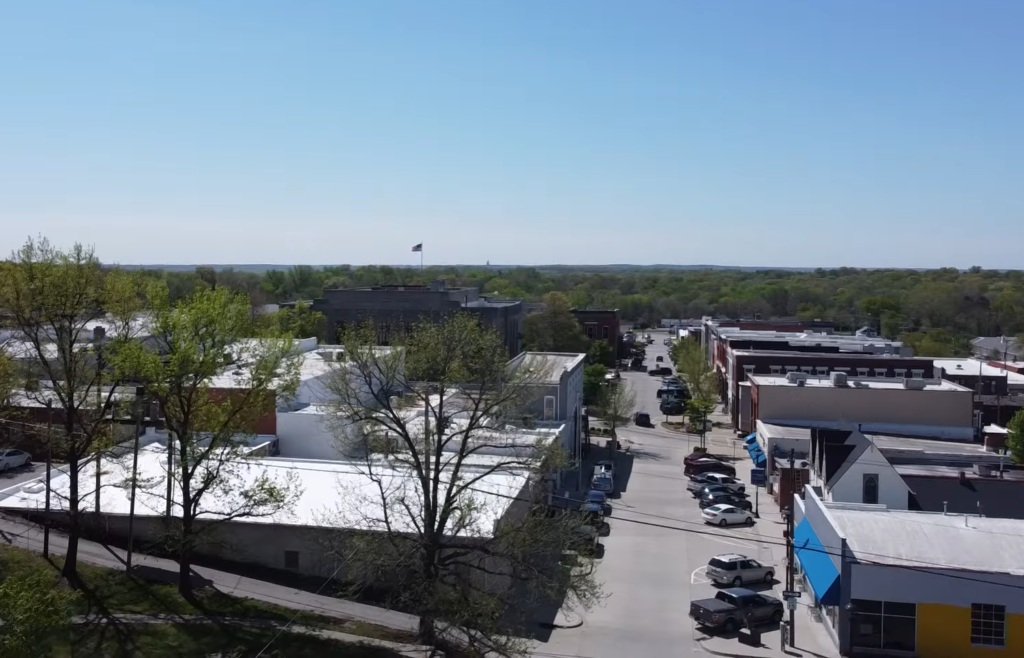
The city’s rewritten purpose statement now openly says excessive off-street parking can conflict with Kansas City’s goals for transportation, land use, urban design, and sustainability.
Not everyone backed the change. Public testimony filed with the ordinance shows some neighborhood groups and residents raised concerns about overflow parking on residential streets and whether the city moved too far, too fast.
Others supported the overhaul, arguing it would lower barriers for small businesses, housing, and redevelopment in walkable areas.
The ordinance itself reflects that tension by requiring the city manager to report back to the council within one year on how the new rules are working and to recommend any needed adjustments.
What happened this week does not mean new buildings will suddenly go up with no parking at all.
Developers can still build parking where they think it is needed, and some projects will likely continue to include large parking supplies because of market demands, lenders, tenants, or design choices.
What changed is that Kansas City is no longer forcing one parking formula onto every new project across huge parts of the city.
That is a major shift in how the city thinks about growth, especially in neighborhoods where empty lots, historic storefronts, and rising housing costs have been part of the development conversation for years.
In practical terms, Kansas City has chosen to move away from a rulebook written for a different era.
Whether that leads to more housing, easier storefront reuse, and more walkable blocks will become clearer over the next year.
But after decades of requiring a minimum number of parking spaces with nearly every new building, the city has now made a clear break with that approach.
Read More: Kansas City Municipal Court Changes Walk-In Process Starting April 15